Bunny Mellow: A Font for Business Brilliance
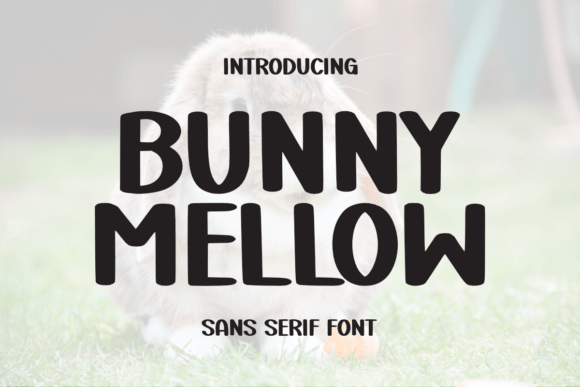
It was a busy morning at the bakery, and I was finalizing the packaging for a new line of artisanal pastries. The labels needed to feel inviting, professional, and on-brand—but I wasn’t sure what font would capture that balance. That’s when I discovered Bunny Mellow, a natural sans serif handwritten font with an original, organic design. It felt like the missing piece in our brand’s visual language.
The Personality of Bunny Mellow
Bunny Mellow has a soft, approachable personality. Its curves are gentle, its strokes are balanced, and it carries a warm, human touch that feels both modern and nostalgic. It’s not overly formal, but it doesn’t come across as casual either. This makes it ideal for businesses that want to appear trustworthy without sacrificing charm.
Its style is best described as a handmade sans serif. It’s clean enough for professional use but retains the imperfections that make it feel authentic. Whether you're designing a logo or adding a tagline to a product box, Bunny Mellow adds character without overwhelming the message.
Real-World Applications for Small Businesses
I tested Bunny Mellow on several business materials, from bakery boxes to skincare labels. On a candle jar, it gave the product a cozy, personal feel that matched the brand’s earthy aesthetic. For a café menu, it added a friendly tone that made the text more inviting. Even on small tags in a boutique, it stood out without being hard to read.
One of the most striking things about Bunny Mellow is how well it works in different sizes. On large headlines, it commands attention. On smaller labels, it remains legible and elegant. It’s especially useful for businesses that need a consistent look across multiple platforms—whether it’s a website banner, Instagram graphic, or printed flyer.
Typography and Brand Perception
Typography plays a huge role in how customers perceive a brand. A well-chosen font can make a business look more polished, professional, and memorable. Bunny Mellow does exactly that. It helps create a sense of cohesion, making all your branding materials feel like they belong together.
For example, using Bunny Mellow on thank-you cards gives a personal touch that stands out in a sea of generic designs. On a coaching brand’s website, it adds a sense of warmth and approachability. And on an online shop’s banner, it draws attention without being distracting.
Practical Tips for Using Bunny Mellow
When using Bunny Mellow, it’s best to keep it simple. It shines brightest on short phrases, headlines, and logos. Avoid using it for long blocks of text—it’s not designed for body copy. Instead, pair it with a clean sans serif or a classic serif font for balance.
For small labels or mobile screens, test the font at different sizes to ensure readability. Bunny Mellow holds up well in print, but it also looks great on social media thumbnails and digital ads. Just make sure to check how it appears on different backgrounds and lighting conditions.
Font Pairing and Design Integration
Bunny Mellow pairs beautifully with other fonts that complement its personality. A sleek, modern sans serif like Montserrat or Poppins can provide contrast while keeping the design clean. An elegant serif font like Playfair Display adds sophistication, while a script font like Great Vibes offers a more decorative touch.
When building a brand identity, consider using Bunny Mellow for key elements like headers, titles, and logos. Use a simpler font for body text to maintain clarity. This combination ensures that your messaging is both visually appealing and easy to read.
Before using Bunny Mellow on any project, check the available styles, file formats, and licensing options. Make sure it includes alternates, ligatures, and multilingual support if needed. These details can make a big difference in how the font performs across different design applications.